
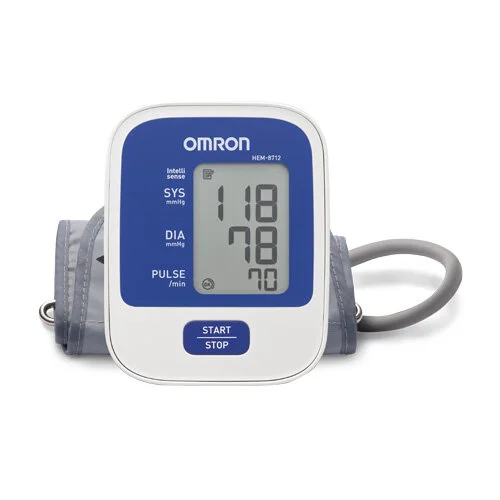
Blood Pressure Monitors
Do I need my own blood pressure monitor?
High blood pressure (BP), or hypertension, is one of the major risk factors for atherosclerosis and can independently lead to stroke. High blood pressure is especially dangerous because it may not cause any symptoms, and the only way to know that you have hypertension is to check your blood pressure.
Optimal control means having a blood pressure that is within the normal range most of the time, without having many abnormally high or low values. Rather than simply taking one BP reading in the clinic, and using this as the basis for treatment decisions, it is better to obtain numerous readings from a persons normal environment.
Therefore a home blood pressure machine (along with a notebook to record the results) is a valuable tool in managing cardiovascular risk. Many machines are available over the internet or from local chemists. It can be difficult to know which one to choose.
The British and Irish Hypertension Society publish a list of validated BP monitors. This means BP machines that have been assessed independently and proved to give accurate readings. While some of these brands are not available in the Australian market, there is considerable overlap. However the model names vary between markets. The list can be found here.
To simply the process we often recommend the Omron brand. Omron are a reputable manufacturer that sell machines in both the UK and Australia and all their machines are clinically validated. Their Australian model range and a comparison tool can be found here. It is important to choose an arm cuff, rather than a wrist cuff. The arm cuff should be an appropriate size, as being too large or too small will distort the assessment.
Wrist BP Monitoring Devices
Wrist devices are not accurate enough in routine home use. They are more likely to have errors in BP assessment than the standard upper arm BP monitors. Although some wrist devices might meet accuracy criteria if strict attention is paid to having the wrist perfectly at heart level, this can be difficult to achieve reproducibly in normal home use. Standard, validated upper arm BP monitors are recommended in preference to wrist devices.
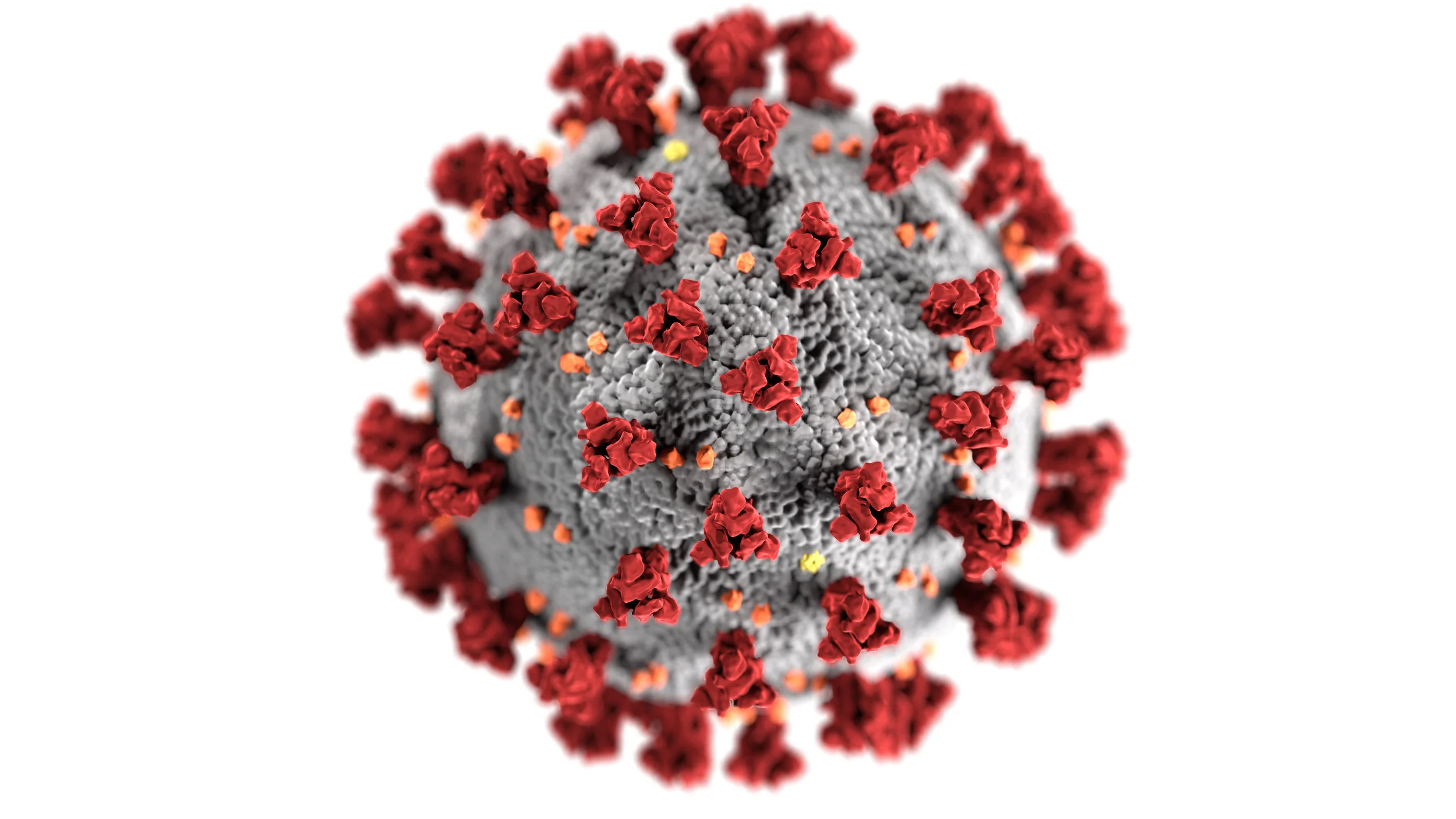
COVID-19
Covid-19 and current appointments, testing, tele-health, etc
Current situation (Sunday, March 29th)
The COVID-19 novel coronavirus is a new strain of coronavirus affecting humans and we are still learning much about it. Because this is a new virus, almost all of the population have no immunity and therefore are liable to become infected. Many will only have mild symptoms, but some will develop a life threatening illness and require intensive care support. If we all catch the infection around the same time, lots of us will need hospital support simultaneously. This will result in more people needing care than there are hospital beds available. The hospitals will be swamped and overwhelmed. If intensive care beds are needed but not available, then people will die who otherwise might have survived.
The current strategy in Australia is to decrease the rate at which infection is spreading. This is currently being accomplished through social distancing and by closure of some non-essential businesses, such as gyms and restaurants. However other businesses, such as hairdressers and shops, are still open to customers. Personal training, with groups up to 10 people, can continue providing social distancing (1.5m between people) is still observed. However many countries in Europe (where the infection is more widespread) have much stricter measures in place. Groups of more than two people are banned and they advise citizens only to leave their homes for essential travel. Australia has not yet reached this level of restrictions.
Cardiology Outpatients
Earlier this week, the Government advised the cancellation of elective surgery. This helps preserve protective equipment (such as gowns, gloves, and masks), which will be needed by frontline health care staff dealing with infected patients. This is an important step and a large amount of equipment may be required during the pandemic. In some countries the supplies of protective equipment are not sufficient and nurses are wearing garbage bags as an alternative. The cancellation of non-essential procedures also helps preserve ICU beds for COVID patients, rather than for patients after surgery.
Cardiology outpatient review does not consume essential resources and will continue at present. However in the spirit of reducing travel and inter-personal contact, telephone or video-call review is available. Please contact us if you would prefer a tele-health review. The current MBS guidelines suggest tele-health review specifically if someone :
meets the current national triage protocol criteria for suspected COVID-19 infection
(i) at least 70 years old; or
(ii) at least 50 years old and is of Aboriginal or Torres Strait Islander descent; or
(iii) is pregnant; or
(iv) is a parent of a child under 12 months; or
(v) is already under treatment for chronic health conditions or is immune compromised;
Cardiac Testing
Several cardiac investigations are performed in the outpatient setting.
An ECG is a simple test. It is an electrical tracing of the heart that is usually performed at the initial consultations and often at subsequent appointments. ECG testing will continue as long as patients are being reviewed in person.
A trans-thoracic echocardiogram (or echo) is an ultrasound examination of the heart. This is important to assess the structure and function of the heart. The sonographer is in close proximity to the patient for the duration of the test, which usually takes 30-45 minutes. Echo for new patients may still be required. However routine, “follow-up” scans may be deferred. During COVID-19 more limited, focused, echo studies may take place, to reduce the time required for the examination.
Stress testing, or stress echo, involves exercising on a treadmill while a doctor and cardiac scientist are in close proximity checking blood pressure and ECG traces. Due to the prolonged nature of these tests, and the requirement for heavy breathing, only urgent stress examinations will be performed. Routine or “follow-up” tests may be deferred.
If you have any further questions, please contact the practice on 07 3831 6202